

Nothing is more frustrating than seeing a fish escape just as you think you’ve got it. Often, the culprit isn’t your skill—it’s your terminal tackle. From hooks to sinkers and swivels, small mistakes in gear setup can lead to lost catches, tangled lines, and wasted time. In this guide, we’ll break down the most common terminal tackle problems and provide practical solutions so you can fish smarter and land more fish consistently.
Problem 1: Hooks That Are Too Small, Dull, or Improperly Matched
Why it happens: Many anglers underestimate the importance of choosing the right hook. A hook that’s too small can straighten under pressure, while a dull hook fails to penetrate effectively. Choosing the wrong style for your bait or target species can also lead to missed catches.
Solution:
- Choose the right size: Match the hook size to your bait, not just the fish size. For example, smaller worms need smaller hooks, while larger live baits require sturdier hooks.
- Use the right hook type: Circle hooks are excellent for catch-and-release, reducing gut-hooking. Treble hooks work well with artificial lures.
- Maintain your hooks: Sharpen hooks regularly with a hook file, and replace rusty or bent hooks promptly.
Pro Tip: Keep a small hook sharpener in your tackle box to ensure hooks are always ready when you’re on the water.
Problem 2: Twisted or Tangled Lines
Why it happens: Twisted lines are a common problem, especially when using spinning lures, live bait, or topwater plugs. Twists reduce casting distance, increase tangles, and can weaken your line.
Solution:
- Use swivels: A high-quality swivel between your main line and leader allows your bait or lure to spin freely without twisting the line.
- Check your retrieves: Avoid reeling too fast with spinning lures. A controlled retrieve reduces line rotation.
- Inspect the line frequently: Replace old or weakened lines, as worn lines are more prone to twisting.
Pro Tip: For live bait, attach the swivel close to the hook to prevent rotation caused by swimming action.
Problem 3: Bait Not Reaching the Right Depth
Why it happens: If your bait doesn’t sink properly or drifts off-target, you’ll miss fish that are feeding at specific depths. Using the wrong sinker or misplacing it on the line can reduce your effectiveness.
Solution:
- Adjust sinker type and placement: Use split-shot sinkers for precise control or bullet weights for stronger currents.
- Experiment with positioning: Slide the sinker closer or farther from the bait to control fall speed and natural movement.
- Check water conditions: Depth, current, and wind affect how your bait behaves. Adjust tackle accordingly.
Pro Tip: For river fishing, heavier sinkers may be necessary to keep bait near the bottom, while lighter sinkers work well in calm lakes.
Problem 4: Abrasion or Line Breakage
Why it happens: Fish with sharp teeth, rocky environments, and submerged debris can easily damage your line. A snapped line often means losing a hooked fish, plus wasted bait and tackle.
Solution:
- Use leaders: Fluorocarbon or steel leaders protect the line from teeth, rocks, and other hazards.
- Inspect and replace the line: Regularly check your main line for nicks or abrasions and replace it as needed.
- Tie secure knots: Ensure knots are tight and appropriate for the line type. Simple knot failure can ruin a setup.
Pro Tip: Keep a small scissors or a line cutter handy to quickly remove damaged sections and retie leaders on the spot.
Problem 5: Disorganized Terminal Tackle
Why it happens: Losing time hunting for hooks, sinkers, or swivels during a fishing trip leads to frustration and missed opportunities.
Solution:
- Organize your tackle box: Separate items by type and size. Label compartments if necessary.
- Restock regularly: Make sure you always have the right size hooks, leaders, and sinkers before heading out.
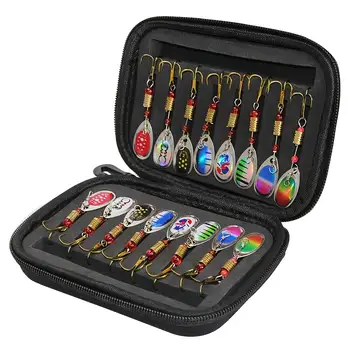
- Use compact organizers for travel: Small tackle boxes or storage pouches prevent items from mixing or getting lost.
Pro Tip: Create a “fishing checklist” for terminal tackle before every trip to avoid forgetting essential components.
Don’t Let Terminal Tackle Problems Cost You Fish
A well-maintained and properly set up terminal tackle setup is the key to landing more fish and enjoying frustration-free trips. By addressing common problems—hooks, twisted lines, depth control, abrasion, and organization—you can significantly improve your fishing success.
Start today by reviewing your terminal tackle, making necessary adjustments, and staying proactive about maintenance. Share these tips with fellow anglers or subscribe to our newsletter for more expert insights and gear advice. Remember: the difference between a missed fish and a trophy catch often comes down to the small details in your tackle box.



0 Comments