
Fishing is more than just a hobby—it’s a passion, a way to unwind, and for many, a lifestyle. One of the most important components of a successful fishing trip is your fishing reel. Whether you’re a beginner or a seasoned angler, choosing the right fishing reel can dramatically improve your performance and enjoyment on the water. In this guide, we’ll break down everything you need to know about fishing reels, helping you make informed decisions while boosting your chances of landing the big catch.
Why Fishing Reels Matter More Than You Think
A fishing reel isn’t just a tool—it’s your control center on the water. The reel determines how smoothly you can cast, how efficiently you retrieve, and how effectively you handle fighting fish. The right reel can prevent frustration, reduce line tangles, and even protect your fishing rod from unnecessary stress.
Pro Tip: Matching the right reel to your rod, fishing style, and target species is crucial for both beginners and professionals.
Types of Fishing Reels and When to Use Them
There are several types of fishing reels, each designed for specific situations. Understanding these will help you choose the one that aligns with your needs.
Spinning Reels
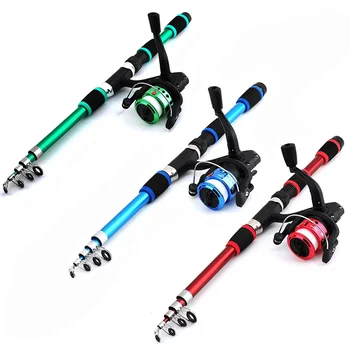
Spinning reels are ideal for beginners due to their ease of use and versatility. They work well for light to medium fishing, such as freshwater bass or trout. Spinning reels allow for long, accurate casts without the hassle of backlash.
Baitcasting Reels
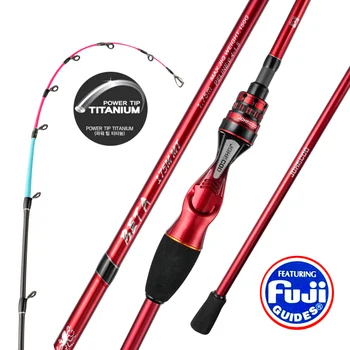
Baitcasting reels offer precise control and are perfect for experienced anglers targeting larger fish. These reels excel in situations that require heavy lures or lines, such as bass fishing in dense cover.
Spincast Reels
Spincast reels combine ease of use with reliability. They’re a step up from spinning reels and are great for families or casual anglers. They are less prone to tangles and provide a simple push-button casting mechanism.
Key Features to Consider Before Buying
When shopping for fishing reels, certain features can make a huge difference in performance.
Gear Ratio
The gear ratio determines how fast you can retrieve your line. A higher ratio reel retrieves line faster, which is great for fast-moving fish, while a lower ratio provides more torque for larger species.
Drag System
A smooth drag system prevents line breakage during fights with big fish. Look for reels with adjustable, consistent drag settings.
Material and Build Quality
Durability matters. Reels made from aluminum or graphite tend to offer a balance of strength and lightweight portability. Saltwater anglers should prioritize corrosion-resistant materials.
Line Capacity
Consider the type of fishing you’ll be doing. Bigger fish and long casts require more line, so check the reel’s capacity before purchasing.
Expert Tips to Maintain Your Fishing Reels
Proper maintenance can extend the life of your fishing reels and improve performance.
- Clean After Each Use: Rinse with fresh water, especially after saltwater fishing.
- Lubricate Moving Parts: Regular lubrication keeps gears smooth and reduces wear.
- Check Drag and Bearings: Inspect these components periodically for smooth operation.
- Store Properly: Keep reels in a dry, cool place to prevent corrosion.
Stat Insight: Anglers who maintain their reels properly report up to a 50% longer lifespan and fewer mid-trip failures.
Trending Fishing Reel Innovations
Fishing gear technology is constantly evolving. Some of the trends to watch include:
- Lightweight carbon fiber reels for ultra-light fishing.
- High-precision bearings for smoother retrieves.
- Integrated electronics for line tracking and depth control.
Staying updated on these trends can enhance your fishing experience and give you a competitive edge.
Reel in Success Every Time
Choosing the right fishing reel isn’t just about having the latest gear—it’s about matching the reel to your style, technique, and target species. From spinning reels for beginners to high-performance baitcasting reels, understanding your options ensures a smoother, more enjoyable fishing experience.
Start investing in quality reels today, care for them properly, and watch your skills—and catches—grow. For more tips and gear guides, subscribe to our newsletter and become part of our angler community.



0 Comments